Stainless Steel Cladding Sheets | Uses & Benefits
Choosing suitable wall finishes is an important consideration when designing commercial kitchens, food preparation facilities and other environments where hygiene, durability and ease of maintenance are essential. Wall surfaces must withstand everyday use while remaining practical to clean and maintain. Stainless steel has become an established material in these settings because of its corrosion resistance, smooth appearance and suitability for demanding working environments. When correctly specified and installed, stainless steel wall cladding can provide an attractive and long-lasting protective surface.
ㅤ
Stainless steel cladding sheets are widely used to protect internal walls in commercial and industrial environments. They provide a durable surface that can tolerate regular cleaning, moisture exposure and the general demands of busy workplaces. Their smooth finish helps make routine cleaning more straightforward, while the material's resistance to corrosion makes it suitable for many applications involving water and cleaning products. Understanding the available grades, finishes, dimensions and installation methods helps businesses select appropriate cladding for their premises.
ㅤ
Unlike decorative wall coverings intended primarily for appearance, stainless steel cladding is frequently selected for its practical performance. Commercial kitchens, catering facilities and food processing environments often require wall finishes that can withstand repeated cleaning and occasional impacts. Stainless steel offers a robust alternative to painted plaster and some other conventional finishes. Its suitability depends on the grade selected, the conditions of use and the quality of the installation.
ㅤ
One of the main advantages of stainless steel is its ability to resist corrosion. The material contains chromium, which forms a thin protective oxide layer on the surface when suitable conditions are present. This passive layer helps protect the underlying metal against corrosion. However, stainless steel is not completely immune to damage, and its performance depends on the alloy composition and exposure to potentially aggressive substances.
ㅤ
For businesses considering stainless steel cladding sheets, the grade of material is an important purchasing decision. Different stainless steel grades contain varying proportions of alloying elements, which influence their corrosion resistance and suitability for particular applications. Grade 304 is commonly used for commercial kitchen wall cladding and general hygienic interior applications. More demanding environments may require alternative grades with additional corrosion resistance.
ㅤ
Grade 304 stainless steel is an austenitic alloy containing chromium and nickel. It offers good general corrosion resistance and is widely used in catering equipment, food preparation surfaces and architectural applications. Its combination of durability, formability and cleanability makes it a practical choice for many commercial interiors. However, exposure to aggressive chemicals or high concentrations of chlorides may require a more resistant material.
ㅤ
Grade 316 stainless steel contains molybdenum, which improves resistance to certain forms of corrosion, particularly in chloride-containing environments. It may be considered for specialist industrial applications, some coastal environments and facilities where chemical exposure creates additional demands. However, grade 316 is generally more expensive than grade 304. The appropriate specification should reflect the actual operating conditions rather than assuming that the higher grade is necessary for every installation.
ㅤ
The surface finish of stainless steel can influence both appearance and maintenance. Brushed finishes are commonly selected for commercial interiors because they provide a consistent directional grain and a professional appearance. This finish can complement stainless steel catering equipment, worktops and extraction systems. However, cleaning should follow the manufacturer's recommendations to avoid unnecessary scratching or damage to the surface.
ㅤ
Polished stainless steel finishes offer a more reflective appearance and may be suitable for decorative architectural applications. These surfaces can create a modern visual effect, particularly in reception areas, lifts and commercial interiors. However, highly reflective finishes may show fingerprints and surface marks more readily than some brushed alternatives. The most appropriate finish depends on the intended application and maintenance requirements.
ㅤ
The thickness of stainless steel cladding sheets is another important consideration. Wall cladding is generally manufactured from relatively thin material because the supporting wall provides the underlying structural support. Thicknesses around 0.9mm are commonly used for certain commercial wall cladding applications, although other specifications are available. The appropriate thickness depends on the intended use, substrate, expected impact exposure and installation method.
ㅤ
Thin stainless steel sheets can provide a durable protective surface without requiring the weight associated with substantially thicker metal panels. This can make them suitable for covering large wall areas in commercial premises. However, thinner sheets may be more susceptible to visible distortion or impact damage if incorrectly installed. A suitable substrate and appropriate fixing method are therefore essential.
ㅤ
Standard sheet dimensions can influence material costs and installation efficiency. Common commercial formats include sheets measuring approximately 2,400mm in height, with widths of 1,000mm or 1,200mm. Other sizes may be available depending on the supplier and manufacturing specification. Choosing dimensions that correspond with the wall layout can help reduce cutting, material waste and the number of visible joints.
ㅤ
Before ordering stainless steel wall cladding, accurate measurements should be taken of the installation area. Wall height, width, corners, openings and fixed equipment should all be considered. Allowances may be required for cutting around sockets, pipes and other services. Careful planning helps establish the number of sheets required and identifies where joining profiles or edge trims may be necessary.
ㅤ
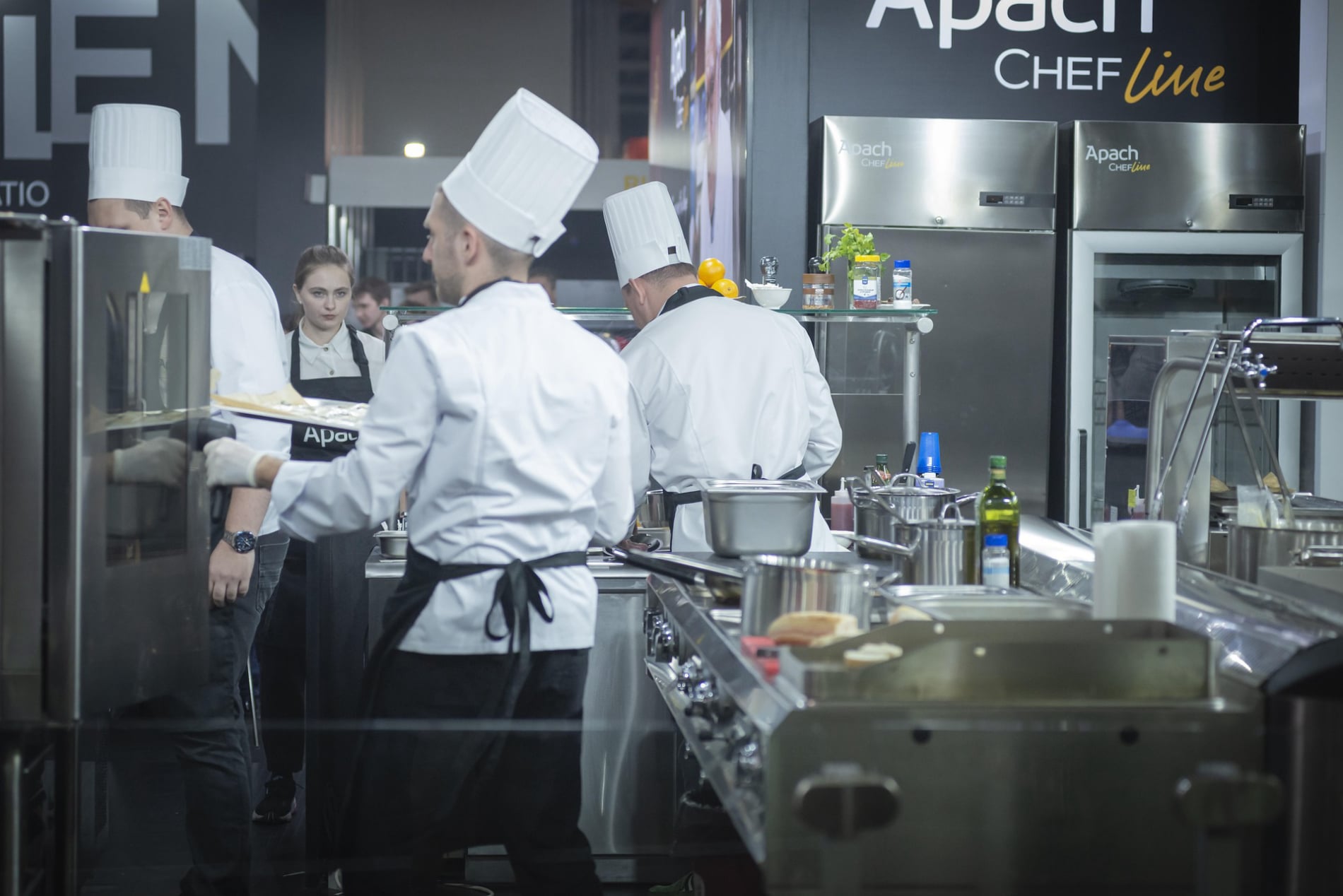
Commercial kitchens are among the most common applications for stainless steel cladding sheets. These environments often involve moisture, cooking residues, cleaning chemicals and frequent activity around work surfaces. Stainless steel provides a practical wall finish that can be cleaned as part of a structured hygiene routine. Its appearance also complements the stainless steel equipment commonly found in professional catering facilities.
ㅤ
Areas behind food preparation benches can benefit from stainless steel wall protection because they are exposed to splashes, spills and routine cleaning. Smooth, properly installed cladding reduces the number of exposed porous surfaces in the immediate working environment. This can make cleaning procedures more manageable. However, joints, corners and penetrations must also be appropriately detailed to prevent the accumulation of dirt and moisture.
ㅤ
Commercial cooking areas present additional challenges because surfaces may be exposed to heat, grease and intensive cleaning. Stainless steel is often used around cooking equipment and extraction systems, subject to appropriate design and installation. Its resistance to heat and corrosion makes it useful in many such environments. Nevertheless, wall construction, fire protection and clearances must comply with the requirements applicable to the equipment and premises.
ㅤ
Stainless steel cladding should not automatically be treated as a complete fire-protection system. Although the metal itself is non-combustible, the performance of a finished wall assembly depends on the substrate, adhesive, insulation and other components. Where fire resistance is required, the complete construction must meet the relevant specification. Professional advice may be necessary for installations around high-temperature equipment or protected building elements.
ㅤ
Food processing facilities may also use stainless steel wall finishes in selected production areas. These environments often require surfaces that tolerate repeated cleaning and exposure to moisture. Stainless steel can provide a robust solution where mechanical wear or demanding cleaning procedures make some alternative finishes less suitable. Material selection should reflect the facility's hygiene requirements and the substances used during cleaning.
ㅤ
When selecting stainless steel cladding sheets for food-related premises, it is important to consider the complete wall system rather than the metal alone. The supporting substrate should be suitable for the installation, and joints must be designed to allow effective cleaning. Poorly detailed corners or gaps can create areas where residues accumulate. Appropriate installation contributes significantly to the long-term hygiene and performance of the finished surface.
ㅤ
Restaurants, cafés, takeaways and commercial catering facilities can benefit from stainless steel wall protection in areas exposed to frequent use. The material can help protect vulnerable wall surfaces from splashes and general wear. It may also be easier to maintain than painted finishes in particularly demanding locations. However, the most appropriate cladding material depends on the operating environment, budget and cleaning requirements.
ㅤ
Stainless steel can also be used in healthcare and laboratory environments where particular surfaces require durability and effective cleaning. Its suitability depends on the specific hygiene protocols, chemicals and operational demands of the facility. Some areas may require specialist wall systems or more resistant stainless steel grades. The choice of material should therefore be based on the requirements of the individual application.
ㅤ
Industrial facilities may use stainless steel cladding to protect walls against moisture, cleaning processes and mechanical wear. Production areas, washdown zones and selected utility spaces can benefit from robust wall finishes. However, aggressive chemical exposure can affect even corrosion-resistant alloys. A review of the substances present is important when determining the appropriate stainless steel grade.
ㅤ
The installation of stainless steel wall cladding requires careful preparation. The supporting surface should be sound, appropriately flat and suitable for the chosen fixing method. Uneven substrates can cause visible distortion, particularly when relatively thin sheets are used. Addressing underlying wall defects before installation can help produce a smoother and more professional finish.
ㅤ
Adhesive fixing is a common method of installing stainless steel cladding sheets onto suitable wall substrates. Specialist polyurethane or other compatible adhesives may be used, depending on the sheet specification and supporting surface. The adhesive must be appropriate for the materials, environmental conditions and installation requirements. Manufacturer instructions should always determine the application method and coverage.
ㅤ
Applying adhesive correctly is essential to achieving reliable adhesion and a satisfactory appearance. Inadequate coverage can leave unsupported areas, while unsuitable application methods may contribute to distortion or poor bonding. The substrate should be prepared in accordance with the adhesive manufacturer's recommendations. Temperature, curing conditions and surface contamination can also influence installation performance.
ㅤ
Mechanical fixings may be appropriate for some installations, particularly where the wall system or operating conditions require them. Their suitability depends on the substrate, sheet dimensions and design requirements. Exposed fixings can create additional cleaning considerations in hygienic environments. Where mechanical fixing is specified, the arrangement should be designed to maintain the required performance of the wall finish.
ㅤ
Joining profiles provide a practical method of connecting adjacent sheets. Stainless steel H-section profiles can create a defined joint between panels while maintaining a consistent appearance. Their use may simplify installation and help accommodate the layout of larger wall areas. However, joint design should also consider hygiene, cleaning access and any movement requirements.
ㅤ
Edge trims can provide a neat finish where stainless steel cladding terminates against another surface. J-section profiles are commonly used to finish exposed sheet edges in appropriate applications. They can improve the appearance of the installation and help protect vulnerable edges. The exact profile should be compatible with the thickness of the cladding material.
ㅤ
Internal and external corners require particular attention because they are often exposed to cleaning and everyday contact. Poorly finished corners can create sharp edges or difficult-to-clean gaps. Depending on the project, suitable corner profiles, formed sheets or other detailing methods may be used. The chosen arrangement should provide an appropriate balance of appearance, durability and cleanability.
ㅤ
Cutting stainless steel cladding sheets requires suitable tools and careful handling. Stainless steel is generally more demanding to cut than some lightweight wall cladding materials. Incorrect cutting methods can damage the surface, create excessive burrs or introduce contamination. Appropriate metalworking equipment and protective measures should be used to achieve clean, safe edges.
ㅤ
Protective film is often supplied on stainless steel sheets to help prevent surface damage during transport and installation. The film should generally remain in place during suitable stages of handling, subject to manufacturer instructions. It must be removed at the appropriate point to prevent difficulties associated with prolonged exposure or heat. Careful handling is particularly important for brushed and polished finishes where scratches may remain visible.
ㅤ
The direction of the brushed grain should also be considered when installing multiple sheets. Adjacent panels with inconsistent grain orientation can appear noticeably different under lighting. Planning the layout before fixing helps achieve a more uniform finish. This is particularly important on large uninterrupted wall areas where the surface texture is clearly visible.
ㅤ
Cleaning is one of the main reasons businesses choose stainless steel cladding sheets for demanding interiors. Smooth stainless steel surfaces can be cleaned using suitable detergents and established maintenance procedures. However, effective hygiene depends on regular cleaning and appropriate operational practices. The material itself does not eliminate the need for cleaning or disinfection where required.
ㅤ
Routine cleaning should follow the recommendations of the sheet supplier and cleaning product manufacturer. Mild detergents and suitable non-abrasive materials are often appropriate for general maintenance. Cleaning in the direction of a brushed finish can help preserve its appearance. Abrasive pads and unsuitable chemicals may scratch or damage the surface.
ㅤ
Chloride-containing cleaning products can present particular risks for some stainless steel grades. Prolonged exposure to aggressive chemicals, including certain bleach-based products, may cause staining or corrosion. Any chemical used should be compatible with the stainless steel grade and applied according to its instructions. Thorough rinsing and drying may be necessary where specified.
ㅤ
Although stainless steel is corrosion resistant, surface staining can still occur if maintenance is neglected or incompatible materials are used. Deposits from ordinary steel tools, abrasive particles or environmental contamination may contribute to visible rust marks. These marks do not always indicate that the underlying stainless steel has failed. Appropriate cleaning and prevention measures can help maintain the surface.
ㅤ
Regular inspection is advisable in environments where wall cladding is exposed to intensive use. Joints, trims and sealants should be checked for deterioration, while damaged areas should be assessed and repaired as appropriate. Early attention to defects can help prevent moisture entering behind the cladding. A structured maintenance routine supports the long-term performance of the installation.
ㅤ
When comparing stainless steel cladding sheets with PVC hygienic wall cladding, businesses should consider the requirements of the particular environment. PVC systems can offer a lightweight and cost-effective solution for many hygienic interiors. Stainless steel may be preferred where greater resistance to mechanical wear, certain temperatures or specific operating conditions is required. Neither material should be assumed suitable for every application without reviewing the relevant specifications.
ㅤ
Stainless steel generally has a higher initial material cost than many standard PVC cladding products. However, its durability and suitability for demanding working conditions may justify the investment in certain areas. A commercial kitchen, for example, might use stainless steel behind intensive food preparation or cooking equipment while specifying alternative hygienic finishes elsewhere. This targeted approach can help balance performance requirements with project budgets.
ㅤ
Ceramic tiles are another established wall finish in commercial environments. Properly installed tiles can provide a durable and cleanable surface, but grout joints require appropriate maintenance. Stainless steel sheets can cover relatively large areas with fewer visible joints. However, the performance of either system depends on the quality of installation and suitability for the intended environment.
ㅤ
The appearance of stainless steel is another reason for its popularity. Its neutral metallic finish complements professional catering equipment, extraction systems and modern commercial interiors. Consistent use of stainless steel can create a coordinated visual environment. However, design decisions should also consider lighting, reflections and the potential visibility of fingerprints or surface marks.
ㅤ
Cost planning is an important part of any cladding project. The overall expenditure includes more than the price of the metal sheets. Adhesives, trims, sealants, cutting requirements, labour and substrate preparation can all contribute to installation costs. Accurate measurements and a clear specification help establish a realistic budget before work begins.
ㅤ
Purchasing stainless steel cladding sheets from a specialist supplier can help businesses identify appropriate dimensions, grades and finishing accessories. Clear product information should include the stainless steel specification, thickness, surface finish and sheet measurements. Buyers should also establish whether the material is supplied with protective film and whether compatible profiles are available. These details can simplify planning and reduce the likelihood of ordering unsuitable products.
ㅤ
For larger installations, sheet layout can significantly influence material efficiency. Planning around standard sheet sizes may reduce cutting and waste, particularly on straightforward wall sections. However, the position of joints should also consider appearance, access and cleaning requirements. A carefully prepared layout can improve the finished result while helping control costs.
ㅤ
Delivery arrangements require attention because stainless steel sheets can be large and difficult to handle. Suitable packaging helps protect edges and finished surfaces during transport. Customers should confirm delivery access and ensure that appropriate arrangements are available for unloading and moving the sheets safely. Large panels may require more than one person or suitable handling equipment.
ㅤ
Storage before installation can also affect the condition of stainless steel cladding. Sheets should be protected against unnecessary damage, contamination and exposure to unsuitable conditions. Stacking and handling arrangements should prevent scratching or bending. Following supplier guidance helps preserve the material's finish until installation is complete.
ㅤ
Sustainability is another consideration when selecting construction materials. Stainless steel is recyclable, and its durability can contribute to long service life when correctly specified and maintained. However, the environmental impact of a particular installation depends on material production, transportation, service life and eventual recovery. These factors should be considered as part of a wider assessment rather than assuming that one material is always the most sustainable choice.
ㅤ
The long-term value of stainless steel cladding depends on its performance in the intended environment. A properly specified installation may provide many years of service with appropriate maintenance. However, poor substrate preparation, unsuitable adhesives or incorrect material selection can reduce its effectiveness. Investing in sound specification and installation practices is therefore as important as selecting quality sheets.
ㅤ
Businesses refurbishing existing commercial kitchens may find stainless steel cladding particularly useful for upgrading selected wall areas. However, the condition of the existing substrate must be assessed before installation. Damaged, unstable or moisture-affected surfaces may require remedial work. Installing new cladding over an unsuitable background can create problems that are difficult to address later.
ㅤ
New-build commercial facilities provide an opportunity to incorporate stainless steel wall finishes into the design from the outset. Wall dimensions, service penetrations and equipment positions can be coordinated with sheet sizes and joint locations. This may reduce unnecessary cutting and simplify installation. Early planning also allows appropriate substrates and fixing arrangements to be specified.
ㅤ
Compliance with relevant building, food hygiene and workplace requirements should form part of the project planning process. Stainless steel is widely used in hygienic environments, but material choice alone does not establish compliance. The complete wall finish must be suitable for the activities undertaken and maintained in an appropriate condition. Project-specific requirements should be confirmed with competent professionals where necessary.
ㅤ
The correct specification of stainless steel cladding sheets should reflect the balance between hygiene, durability, appearance and cost. Grade 304 may be suitable for many commercial kitchen applications, while more aggressive environments can require alternative specifications. Sheet thickness, surface finish and installation details should be selected according to actual operating conditions. This considered approach helps avoid unnecessary expenditure while supporting reliable performance.
ㅤ
Ultimately, stainless steel cladding sheets provide a practical and attractive wall protection solution for commercial kitchens, food preparation areas and a range of demanding industrial interiors. Their corrosion resistance, durability and ease of cleaning make them a valuable option where conventional finishes may struggle with everyday operating conditions. By selecting the appropriate grade, dimensions, surface finish and installation method, businesses can create wall surfaces designed for long-term performance. Careful maintenance and suitable installation detailing help ensure that stainless steel cladding remains an effective part of a hygienic and professional working environment.